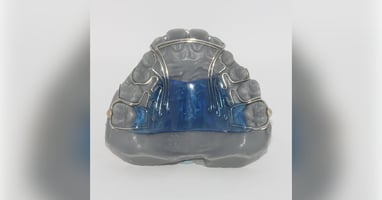

.png?width=300&height=300&name=EDM%20Images%20(23).png)
@2x%20copy%202.jpg?height=200&name=1200%20x%20628%20(export%20retina%20jpg)@2x%20copy%202.jpg)
Skeletal anchoring according to the Pin-Last© concept. Palatal expansion represents a specialised...
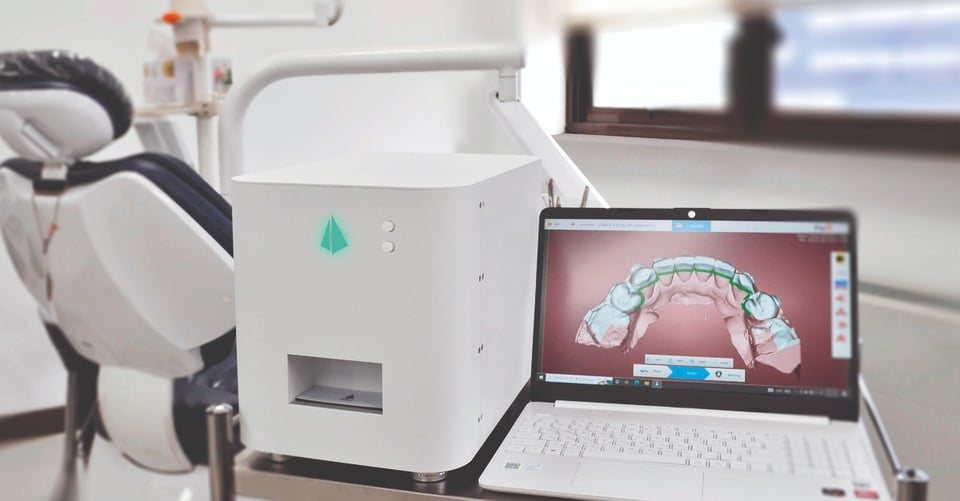
A Smarter, More Predictable Digital Workflow for Fixed Orthodontic Retention
Retention is a critical phase of orthodontic treatment. A well-made, passive fixed retainer can help preserve alignment once active treatment is complete, provided it fits accurately and is bonded using sound clinical technique.
Because compliance can be unpredictable, many clinicians use bonded lingual (fixed) retainers on the palatal/lingual surfaces of anterior teeth in the maxillary and/or mandibular arch to support long‑term stability.
Dentaurum is pleased to announce that the YOAT Bender II, an advanced computer-controlled robotic wire-bending system for fixed retainers, will soon be available in the Australian / Oceania region through Dentaurum.
The YOAT Bender II is designed to support a fully digital, clinically predictable approach to fixed retention, serving dental and orthodontic clinics as well as dental laboratories.
What is the YOAT Bender II?
The YOAT Bender II is a compact, desktop, computer‑controlled robotic wire‑bending machine developed specifically for the ultra-rapid fabrication of individual lingual fixed retainers. It operates as part of a digital system, combining:
- Digital scan data
- Dedicated retainer design software (FixR)
- Automated, robot‑controlled wire bending
The innovation enables the production of fixed retainers to shift from a highly manual, technician-dependent task to a repeatable, digital workflow that aligns with modern orthodontic practice and laboratory environments.
The Clinical Context: Fixed Retainers After Orthodontic Treatment
After active orthodontic treatment, whether delivered with traditional fixed appliances or clear aligner systems, teeth remain susceptible to relapse. Fixed retainers are widely used to provide continuous, passive stabilisation of corrected tooth positions, particularly in the anterior segments.
Clinically, these retainers must:
- Be passive (avoid unintended activation)
- Fit precisely to tooth anatomy
- Remain durable and biocompatible over long periods
- Be bonded with meticulous technique
When retention fails, it is rarely just a wire problem. It can mean emergency appointments, unplanned refinements, compromised aesthetics, and a loss of patient confidence. For labs, it can mean remakes, additional costs, and time spent troubleshooting fit rather than creating value.
The risks include:
- Unintended activation from manual bending, leading to post-bonding tooth movement
- Poor adaptation to individual anatomy (especially in irregular lingual morphology)
- Bond failures driven by fit compromises, occlusal interferences, or technique sensitivity
- Time consumed because the retainer is not passive or requires multiple adjustments.
The goal with a digitally designed, robot-bent retainer is simple: deliver retainer precision that seats passively, bonds efficiently, and behaves predictably over time.
The YOAT Bender II is designed to support these requirements through digital planning and controlled fabrication.
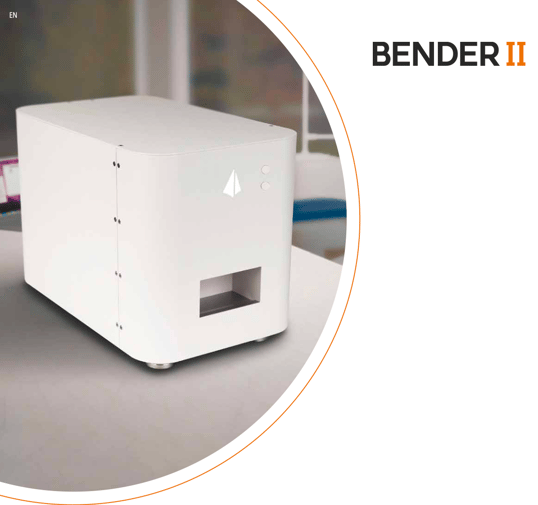
From Scan to Fit: A Digital Workflow for Fixed Retention
While workflows may vary slightly between practices and laboratories, the core steps typically include:
- Digital Impression
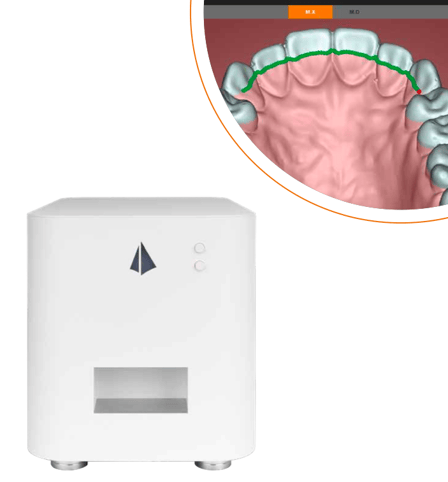
An intraoral scan (or a scan of an impression/model) is taken of the maxillary and/or mandibular arch, capturing tooth morphology and, where relevant, occlusion. - Digital Design
The scan data is imported into YOAT FixR software, where the fixed retainer is digitally designed based on the patient’s anatomy. - Automated Wire Bending
The YOAT Bender II bends the selected orthodontic wire according to the digital design, using computer‑controlled movements calibrated to the specific wire type and dimensions. - Clinical Try‑In and Bonding
The retainer is checked for passive fit and bonded using established clinical protocols and adhesive systems.
This digital approach supports same‑day (within minutes) retainer delivery where clinically appropriate, including at the debond appointment.
What This Means for the Lab Bench and the Clinic Chair
For laboratories, fixed retainers can be deceptively time-consuming: every adjustment is manual, every bend is a judgment call, and small inconsistencies can become big problems at delivery. For clinicians, the cost of that variability shows up chairside as longer bonding appointments and the need for adjustments that risk turning a passive retainer into an active one.
A standardised digital workflow helps both sides work to the same reference: the patient’s scan and an intentional design.
- More consistent fit across operators: design intent is defined digitally, and the bend is executed by the robot.
- Reduced remake pressure: better first-time seating reduces last‑minute remakes and delivery delays.
- Chairside efficiency: less adjustment time can translate to smoother debond-day scheduling.
- Quality control and traceability: archived designs support documentation, repeatability, and faster replacement workflows.
In practice, the biggest win is often the shared reference point it creates between the clinic and the lab. When both teams use the same scan-based design and wire specification, communication is clearer, and troubleshooting is faster.
A digitally designed, robot‑bent retainer doesn’t replace clinical judgment; it supports it. By reducing the need for chairside wire manipulation, teams can focus on fit verification, isolation, and disciplined bonding.
Advantages That Go Beyond Speed
While time savings are an obvious benefit, several less visible, but clinically significant, advantages set this system apart.
1. Passivity and predictability
Manual bending is precise, but small errors can introduce activation. Computer-controlled bending supports consistency, helping teams aim for a passive retainer and reducing the likelihood of unwanted tooth movement caused by wire distortion.
2. Reduced operator variability
Traditional retainer fabrication can depend heavily on individual technician skill. By separating design (software) from execution (robotic bending), the system can help reduce variability across operators, clinics, and lab teams.
3. Traceability and reproducibility
Because designs can be stored digitally, practices and labs can gain:
- A record of the appliance design
- The ability to reproduce or replace a retainer without starting from scratch
- Improved documentation and quality control
This is increasingly important in regulated, multi‑site, or institutional environments.
4. Faster repairs and replacements
If a retainer debonds or fractures, a replacement may be fabricated using the stored design, reducing patient disruption and chair time.
A High-Performing Wire–Machine–Software Ecosystem
The Bender II is configured to work with defined Dentaurum orthodontic wires, including remanium® and dentaflex® options in specific dimensions.
Wire choice influences handling, adaptation, and retainer profile. Twisted wires are often preferred for a more flexible feel, while straight wires suit designs that call for a more defined form. Round and rectangular/square dimensions provide additional options to match tooth anatomy, bonding approach, and occlusal clearance.
Dentaurum provides several wire forms for retainer fabrication, including twisted round wires (dentaflex®) and straight wires (remanium®) in both round and rectangular/square dimensions. The specific Dentaurum wires validated for use with the YOAT Bender II (and listed below) include twisted round dentaflex® and straight remanium® wires in round and rectangular/square sizes.
The Yoat Bender II is Coming via Dentaurum Soon: Build a Repeatable Retention Workflow
For clinics, the YOAT Bender II supports modern retention appointments that are less reliant on last-minute wire adjustments and more focused on controlled bonding and patient instruction. For laboratories, it supports standardised production, clearer QC, and scalable retainer output without relying on a single “expert bender”. Dentaurum will support rollout with guidance across the machine–software–wire ecosystem to help teams standardise ordering and align clinic–lab communication.
Please contact us today for further information.
@2x-May-25-2026-02-30-54-1546-AM.jpg?height=200&name=1200%20x%20628%20(export%20retina%20jpg)@2x-May-25-2026-02-30-54-1546-AM.jpg)